Find a Way, Not An Excuse!

It is human to err is something all of us are familiar with and it is true. There is no perfect human being yet to be born and every human being is bound to make a mistake at some point or the other. In the journey of life, we often encounter obstacles that seem insurmountable. These challenges can range from personal hurdles to professional setbacks, and the natural human response can be to find reasons why achieving our goals is impossible. However, there exists a powerful alternative to this defeatist mentality: the mindset of finding a way, not an excuse. This attitude transforms obstacles into opportunities and setbacks into stepping stones, fostering resilience, creativity, and ultimate success.
The Power is in you
The difference between those who succeed and those who don't often boils down to the individual. It is all about the mindset. When faced with a challenge, a person with a "find a way" attitude looks for solutions, alternatives, and creative approaches. This is a positive mindset and when you research the lives of successful individuals you will invariably find them with this mindset. In contrast, someone focused on excuses tends to see only the barriers and reasons for failure and tends to pacify himself / herself that the fault lies somewhere else.
A great example of 'find a way' mindset is that if Thomas Edison who invented the electric light bulb. Despite facing over a thousand unsuccessful attempts, he famously said, "I have not failed. I've just found 10,000 ways that won't work." Edison's relentless pursuit of a solution exemplifies the "find a way" mindset, leading to a ground-breaking invention of the electric light bulb, that changed the world.
I may fail!
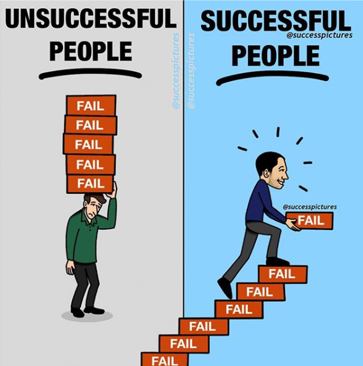
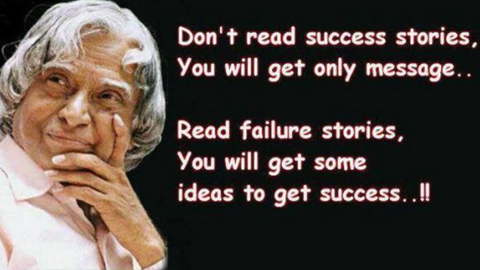
Fear of failure is the foundation of excuses, preventing you from making attempts to find solutions and transforming challenges into opportunities. This fear can paralyze and prevent us from taking risks or trying new approaches towards finding solutions. However, by adopting a "find a way" mindset involves embracing failure as a natural part of the learning process. Each failure is a lesson that brings us one step closer to success.
Take the example of J.K. Rowling, who faced numerous rejections from publishers before Harry Potter became a global phenomenon. Her persistence in the face of repeated failures highlights the importance of perseverance and the refusal to accept excuses as final answers.
Cultivating Creativity and Innovation
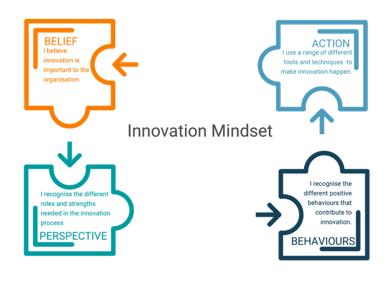
Finding a way often requires thinking outside the box and approaching problems from new angles. This creative problem-solving is at the heart of innovation. When we refuse to accept excuses, we open ourselves up to new ideas and possibilities that we might not have considered otherwise. It is the mindset. One of the prerequisites to succeed is to have the mind set to try new things, do things differently and continue to be different irrespective of success or failure.
Steve Jobs, co-founder of Apple Inc., was known for his ability to envision products that people didn't even know they needed. His commitment to finding a way to create and deliver these innovations revolutionized the technology industry and reshaped our daily lives.
Practical Steps to Adopt a "Find a Way" Mindset
1. Change Your Self-Talk:
Replace negative, excuse-driven thoughts with positive affirmations and solution-oriented language. Instead of saying,"I can't do this," say, "How can I do this?". Change from “It is impossible” to How can I make it possible”.
2. Break Down the Problem:
We often burden our thinking with the burden of the problem. Thinking about the problem holistically often makes us drown in its enormity. Divide large challenges into smaller, manageable tasks. This makes it easier to find solutions for each part of the problem, gradually leading to the overall solution.
3. Seek Advice and Collaboration:
Keeping a challenge to ourselves multiplies it and rarely leads to a solution. Don't be afraid to ask for help or collaborate with others. Different perspectives can provide new insights and ideas that you might not have considered. A small idea which we never thought of could transform the challenge into an opportunity. So look around yourself for ideas and keep your eyes, ears and mind open.
4. Learn from Failures:
Once we fail we get into a defensive mindset which is the enemy of success. Analyze what went wrong in past attempts and use those lessons to create your future strategies. Every failure is an opportunity to learn and grow, but this is only possible when you do a root cause analysis of every failure.
5. Stay Persistent:
Persistence is key. Keep pushing forward, even when progress seems slow or difficult. Consistent effort often leads to breakthroughs. Impatience and jumping from one task to another are inappropriate. Perseverance is a key ingredient for success.

Conclusion
In life, we all face moments where the easy path is to make excuses and give up. However, by choosing to find a way instead, we unlock our potential to achieve greatness. This mindset empowers us to overcome challenges, innovate, and succeed where others might falter. As we navigate the inevitable ups and downs of our personal and professional lives, let us remember that the path to success is not always straightforward, but it is always within our reach if we are willing to find a way, not an excuse. Find a way, not excuses.