Being Creative is Being Intelligent and Having Fun
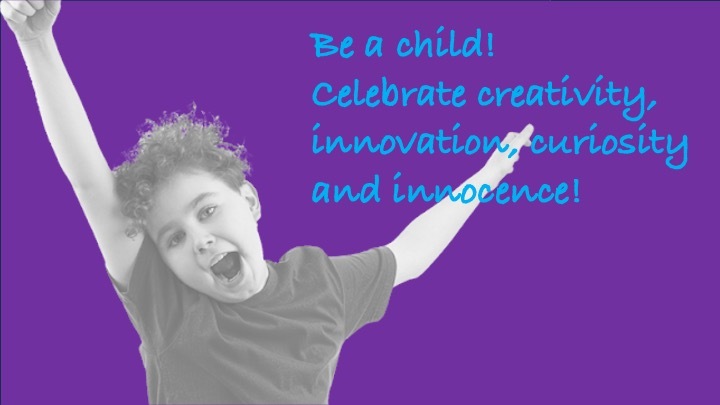
Creativity is often seen as the domain of artists, writers, and musicians, but in reality, it extends far beyond the these arts. It is a vital component of intelligence and a key driver of human progress. Creativity is about thinking outside the box, solving problems in innovative ways, and finding joy in the process. There is a symbiotic relationship between innovation, creativity, intelligence, & fun and these elements intertwine to enrich our lives.
The Link Between Creativity and Intelligence
Intelligence is traditionally measured by standardized tests that assess logical reasoning, mathematical skills, and verbal abilities. To enhance capability and efficacy this traditional definition needs to be expanded. A broader perspective of intelligence includes creative thinking—the ability to generate new and innovative ideas. Renowned psychologist Howard Gardner's theory of multiple intelligences expands the definition of intelligence to include creative and innovative thinking as integral components.
Divergent Thinking
One of the hallmarks of creativity is divergent thinking, the ability to generate multiple solutions to a problem. This contrasts with convergent thinking, which focuses on finding a single, correct answer. Divergent thinking is a sign of cognitive flexibility, an important aspect of intelligence. It involves exploring various possibilities, making connections between seemingly unrelated concepts, and envisioning new scenarios. This kind of thinking is crucial in multiple fields like science, engineering, and business management.
For example, Thomas Edison's invention of the lightbulb was not the result of a single brilliant idea but rather the culmination of thousands of experiments. Edison's willingness to explore numerous possibilities and learn from each failure exemplifies divergent thinking.
Problem-Solving and Innovation
Creativity is closely linked to problem-solving and innovation. Intelligent individuals use their creative abilities to approach problems from different angles, leading to innovative solutions. For example, the invention of the telephone by Alexander Graham Bell, the theory of relativity by Albert Einstein, and the creation of the internet by Tim Berners-Lee were all born from creative thinking. These innovations required the ability to see beyond existing limitations and imagine new possibilities. Treading unchartered paths is not necessarily a common trait, but most impactful innovations come from these paths which were never explored.
Cognitive Processes in Creativity
Creative thinking involves complex cognitive processes, including memory, perception, and reasoning. Studies have shown that highly creative individuals often have an enhanced ability to form novel associations between disparate concepts stored in memory. This associative thinking is a key aspect of creative cognition and is essential for generating original ideas. For instance, Steve Jobs, co-founder of Apple, was known for his ability to connect technology with design, resulting in revolutionary products like the iPhone and iPad. His creative vision was a product of his intelligence, curiosity, and willingness to experiment.
The Joy of Being Creative
Creativity is not just about coming up with new ideas; it's also about the joy and satisfaction derived from the creative process. Engaging in creative activities can lead to a state of flow, a concept popularized by psychologist Mihaly Csikszentmihalyi. Flow is a state of deep immersion and enjoyment in an activity, where time seems to fly by, and the individual feels a sense of fulfilment and accomplishment. Human mind seeks joy and being creative to accomplish tasks delivers more joy than accomplishing the task mechanically.
Fun and Playfulness
Creativity thrives in an environment of fun and playfulness. When individuals approach tasks with a playful mindset, they are more likely to take risks, experiment, and think outside the box. Playfulness reduces the fear of failure and encourages exploration. This is why creative geniuses like Leonardo da Vinci and Nikola Tesla often exhibited a childlike curiosity and a sense of wonder about the world. Leonardo da Vinci, for instance, combined his playful exploration of nature with his artistic and scientific pursuits, leading to ground-breaking inventions and masterpieces. His notebooks are filled with imaginative sketches and ideas, demonstrating his playful and curious approach to learning.
Stress Relief and Well-Being
Engaging in creative activities can also be a powerful stress reliever. Activities such as painting, writing, or playing music allow individuals to express their emotions and unwind from the pressures of daily life. This creative expression contributes to mental well-being, making individuals feel happier and more satisfied with their lives. A study published in the Journal of Positive Psychology found that engaging in creative activities can lead to increased well-being and flourishing.
For example, Winston Churchill took up painting as a hobby, finding solace and relaxation in the creative process amidst the pressures of his political career. Similarly, many people find that hobbies like knitting, gardening, or playing musical instruments provide a therapeutic outlet.
Integrating Creativity into Daily Life
Integrating creativity into daily life does not require being an artist or a musician. Everyone has the potential to be creative in their own way. Here are some practical tips to foster creativity:
1. Embrace Curiosity
Curiosity is the foundation of creativity. Ask questions, explore new interests, and seek out new experiences. The more you learn, the more connections you can make between different ideas. For example, Steve Jobs often emphasized the importance of curiosity and diverse experiences in sparking innovation. He famously took a calligraphy course in college, which later influenced the design of the Macintosh computer's typography.
2. Allow Time for Play
Set aside time for playful activities that you enjoy, whether it's drawing, gardening, cooking, or playing a musical instrument. Allowing yourself to play can spark new ideas and provide a refreshing break from routine tasks. Google, known for its innovative culture, encourages employees to spend 20% of their time on creative projects that interest them, leading to the development of products like Gmail and Google News.
3. Cultivate a Creative Environment
Surround yourself with things that inspire you. This could be art, books, nature, or interesting people. A stimulating environment encourages creative thinking and provides new perspectives. For instance, J.K. Rowling found inspiration for the Harry Potter series in the vibrant city of Edinburgh. Creating a space that nurtures creativity can also involve decluttering your workspace, adding plants or artwork, and ensuring good lighting. An environment that is both stimulating and comfortable can enhance your ability to think creatively.
4. Practice Mindfulness
Mindfulness and relaxation techniques can help clear your mind and open it up to new ideas. Practices like meditation, yoga, or simply spending time in nature can enhance your creative thinking. A study from the journal "Psychological Science" found that mindfulness meditation promotes divergent thinking and creativity.
Examples of Creativity in Action
Creative Solutions in Business
Businesses thrive on innovation, and creative problem-solving is essential for staying competitive. For example, Netflix transformed the entertainment industry by shifting from a DVD rental service to a streaming platform, driven by a creative vision of how people consume media. This innovative approach required foresight, risk-taking, and a willingness to embrace new technology.
Artistic Expression and Impact
Artists like Pablo Picasso and Vincent van Gogh revolutionized the art world with their unique styles and perspectives. Picasso's ability to reimagine reality through Cubism and van Gogh's emotive use of colour and brushwork are testaments to the power of creative expression. Their work continues to inspire and influence countless artists and art lovers.
Scientific Breakthroughs
Scientific advancements often stem from creative thinking. For example, Albert Einstein's theory of relativity was a ground-breaking shift in understanding space and time, born from imaginative thought experiments. Similarly, the discovery of penicillin by Alexander Fleming, which revolutionized medicine, was the result of observing and creatively thinking about mould contamination in a Petri dish.
Conclusion
Creativity is a multifaceted trait that encompasses intelligence and fun. It involves thinking outside the box, solving problems in innovative ways, and finding joy in the process. By embracing curiosity, allowing time for play, cultivating a creative environment, and practicing mindfulness, we can unlock our creative potential and enhance our lives. In essence, being creative is about being intelligent and having fun—a powerful combination that can lead to personal fulfilment and societal advancement.
References:
1. Chatterjee K, Chatterjee K, Kumar A, Shankar S. Healthcare impact of COVID-19 epidemic in India: A stochastic mathematical model. Med J Armed Forces India. 2020;76(6):147-55
2. Csikszentmihalyi, M. (1990). Flow: The Psychology of Optimal Experience. Harper & Row.
3. Journal of Positive Psychology. (2016). Creative activity, creative environment, and positive affect: Mediation, moderation, and implications for well-being.
4. Psychological Science. (2012). The Mindful Mind in Creative Work: Investigating the Effect of Mindfulness Meditation on Divergent Thinking.